
Usage
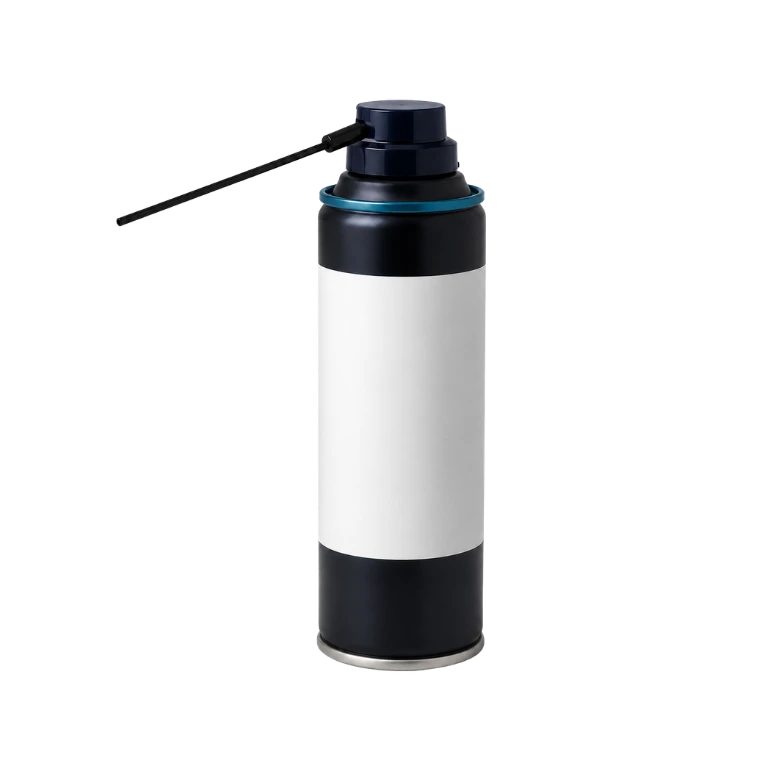
Inert preservation gas is used before closing a storage container to reduce the amount of oxygen remaining in the headspace. This helps limit oxidation of cannabinoids and is especially useful for preserving volatile substances like terpenes.
Argon is particularly suitable because it is chemically inert and heavier than air. When introduced into a container, it settles around the product and helps displace the oxygen-containing air above it. The container is then closed while the protective gas remains in the headspace.
The gas is normally introduced through a small hose or nozzle positioned inside the container. Only the headspace needs to be filled, so relatively little gas is required per use. The effectiveness ultimately depends on both sufficient oxygen displacement and a container that seals properly afterward.
Nitrogen can also be used for oxygen displacement, but because it is lighter than argon it is less effective for simple passive headspace purging where the gas is introduced from above.
Advantages
Reduces oxygen exposure during storage
Helps preserve terpene aroma and cannabinoid quality
Very little gas is required to protect the headspace of a container
Disadvantages
The protective atmosphere is disturbed each time the container is opened
Material suitability
Specification notes
High-purity inert gas, with the highest purity preferred to minimize oxygen and other residual gases
Nozzle or hose that allows the gas to be introduced directly into the container headspace
Safety notes
Inert gases can displace oxygen in the surrounding air, so they should not be used in close spaces
Pressurized canisters should be kept away from excessive heat and handled according to the manufacturer's storage instructions
Gas may be harmful when directly inhaled